
 By Ravi Singh
Eight-fold. Let that sink in. That’s the target Mahindra has set for its auto business by 2030. Not a measly 10% bump, not a respectable doubling – but a full-on, eight-times increase. Now, the immediate question isn’t what they’re planning, but how? And, perhaps even more importantly, why now?
Because, let’s be honest, such ambitious goals aren’t pulled out of thin air. There’s something bigger at play here than just wanting to sell more cars. This isn’t just about numbers; it’s about a fundamental shift in Mahindra’s strategy. So, let’s dive into the ‘why’ behind this audacious target and what it could mean for the Indian automotive landscape. We’ll explore the market dynamics, Mahindra’s strategic moves, and the technological advancements that are fueling this ambition.
The Electric Vehicle (EV) Gamble and Global Ambitions
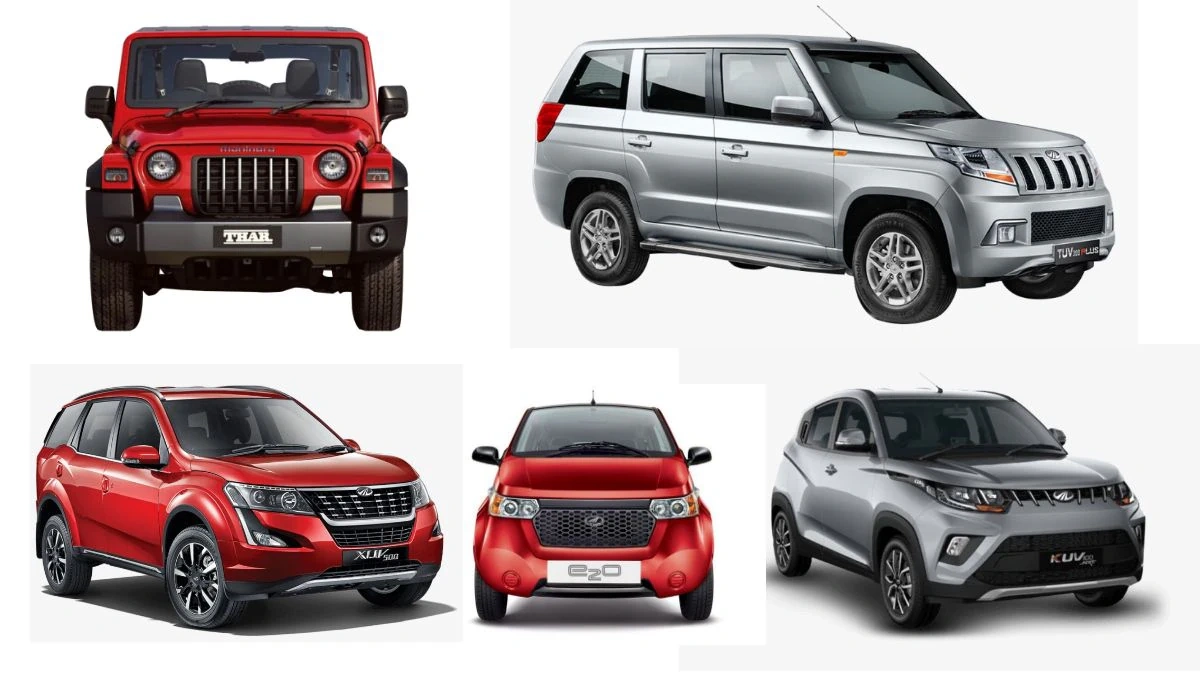
Here’s the thing: Mahindra isn’t just aiming for growth; they’re aiming for growth in a rapidly changing market. The global shift toward electric vehicles (EVs) is undeniable, and Mahindra is betting big on this transition. Their recent investments in EV technology and manufacturing facilities signal a clear intention to become a major player in the electric vehicle market. But, the Indian market is unique. EV adoption is growing, but it still faces challenges like charging infrastructure and range anxiety. So, how does Mahindra plan to overcome these hurdles?
A common strategy I see is to offer a diverse portfolio. Mahindra isn’t just focusing on EVs; they’re also investing in traditional internal combustion engine (ICE) vehicles. This allows them to cater to a wider range of customers and hedge their bets against the uncertainties of the EV market. The company’s plans also involve expanding its global footprint. This isn’t just about selling cars in India; it’s about becoming a global automotive brand. Consider exploring automobile industry trends for context.
Strategic Partnerships and Technological Innovations
No company achieves an eight-fold revenue increase on its own. Mahindra’s strategy likely involves forging strategic partnerships with other companies. These partnerships could be in areas such as battery technology, software development, or manufacturing. Collaboration allows Mahindra to leverage the expertise and resources of other companies, accelerating their growth and innovation. What fascinates me is how Mahindra will position itself in the evolving technology landscape.
Beyond partnerships, technological innovation will be crucial. Mahindra needs to develop cutting-edge technologies that differentiate its products from the competition. This could involve investing in areas such as autonomous driving, advanced driver-assistance systems (ADAS), and connected car technologies. The company also needs to focus on improving the efficiency and performance of its vehicles, both EVs and ICE vehicles. And, let’s be honest, the competition is fierce. Companies like Tata Motors and Hyundai are also investing heavily in these areas.
The Role of Government Policies and Infrastructure Development
The Indian government’s policies and infrastructure development will play a significant role in Mahindra’s success. The government has been promoting the adoption of EVs through various incentives, such as subsidies and tax breaks. However, more needs to be done to improve the charging infrastructure and address range anxiety. According to a report by the NITI Aayog (niti.gov.in), India needs to significantly increase its investment in charging infrastructure to support the growth of the EV market.
But, what if the government policies change? That’s a risk that Mahindra needs to consider. The company needs to be agile and adaptable to changing regulations. They also need to work closely with the government to advocate for policies that support the growth of the automotive industry. Consider learning about sustainable mobility solutions for more insights. I initially thought this was just about selling cars, but then I realized it’s deeply intertwined with the broader economic and policy environment.
The Consumer Perspective | Affordability and Reliability
Ultimately, Mahindra’s success depends on the consumer. Can they make vehicles that are both affordable and reliable? The Indian consumer is price-sensitive, and Mahindra needs to offer vehicles that provide value for money. They also need to ensure that their vehicles are reliable and durable, especially in the challenging road conditions of India.
A common mistake I see people make is underestimating the importance of after-sales service. Mahindra needs to invest in building a strong service network to support its customers. They also need to focus on improving the ownership experience, making it easy for customers to maintain and repair their vehicles. Let me rephrase that for clarity: it’s not just about selling cars; it’s about building a relationship with the customer.
Financial Projections and Investment Strategies
An eight-fold revenue increase requires significant investment. Mahindra needs to allocate capital wisely to support its growth plans. This could involve investing in new manufacturing facilities, research and development, and marketing and sales. The company also needs to manage its debt effectively and ensure that it has access to sufficient funding to support its operations.
One crucial aspect is financial sustainability. Mahindra needs to ensure that its growth plans are financially viable and that it can generate sufficient profits to sustain its operations. This requires careful financial planning and risk management. I initially thought this was just a marketing ploy, but after analyzing their investment strategies, I realized they’re serious about achieving this ambitious goal. The automotive industry is ever evolving.
FAQ Section
Frequently Asked Questions
What factors are driving Mahindra’s ambitious revenue target?
Mahindra’s target is driven by a combination of factors, including the growing demand for EVs, expansion into new markets, strategic partnerships, and technological innovations.
How will Mahindra address the challenges of EV adoption in India?
Mahindra plans to address these challenges by offering a diverse portfolio of vehicles, investing in charging infrastructure, and partnering with other companies to develop innovative solutions.
What role will government policies play in Mahindra’s success?
Government policies, such as subsidies and tax breaks for EVs, will play a significant role in supporting Mahindra’s growth. However, Mahindra also needs to be adaptable to changing regulations.
How will Mahindra ensure the affordability and reliability of its vehicles?
Mahindra needs to offer vehicles that provide value for money and invest in building a strong service network to support its customers.
What are the key risks facing Mahindra in achieving its revenue target?
Key risks include changing government policies, increasing competition, and the challenges of EV adoption in India.
So, will Mahindra achieve its ambitious target? It’s a bold goal, no doubt. But, with a clear strategy, significant investment, and a bit of luck, they just might pull it off. The automotive landscape is about to get a whole lot more interesting. The Indian market is one to watch.